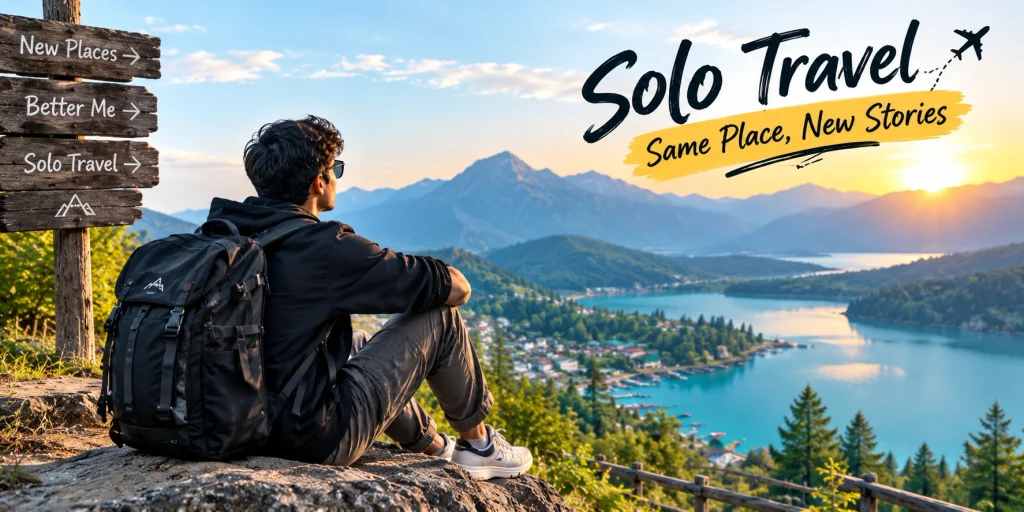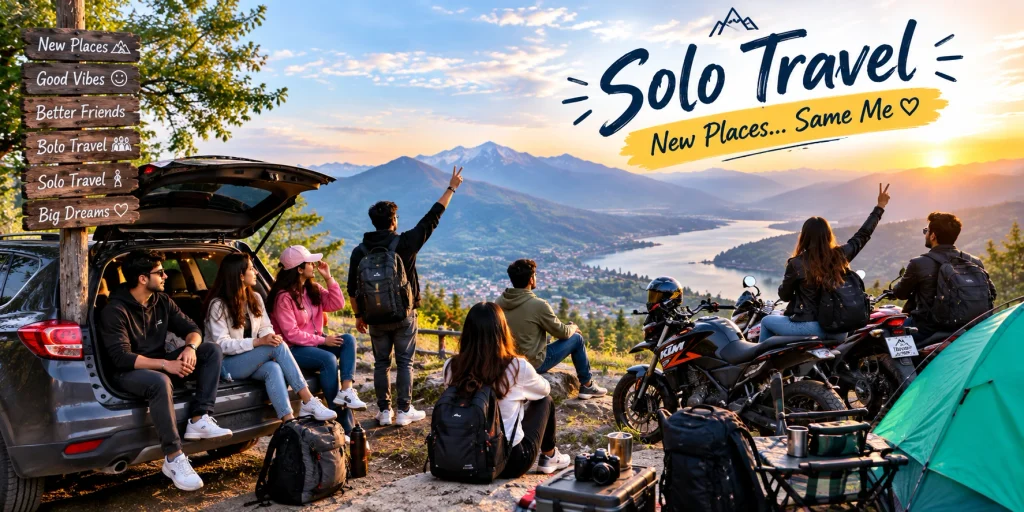

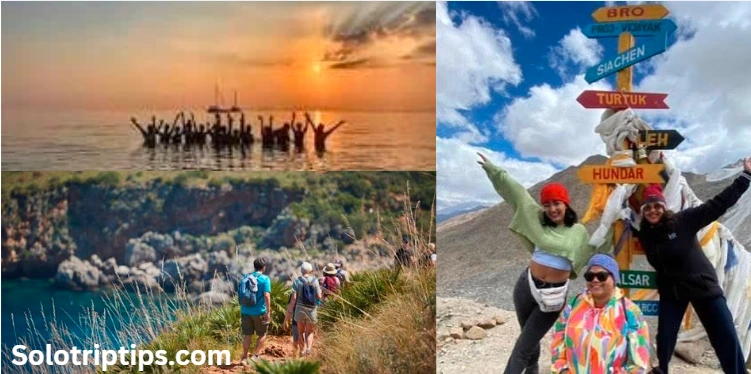
Traveling alone gives you freedom, but it can also feel lonely sometimes. You might want to visit a new country, walk through an unfamiliar city, or try a local activity without having to plan every detail yourself. At the same time, finding people to share those experiences with can make a trip more enjoyable.
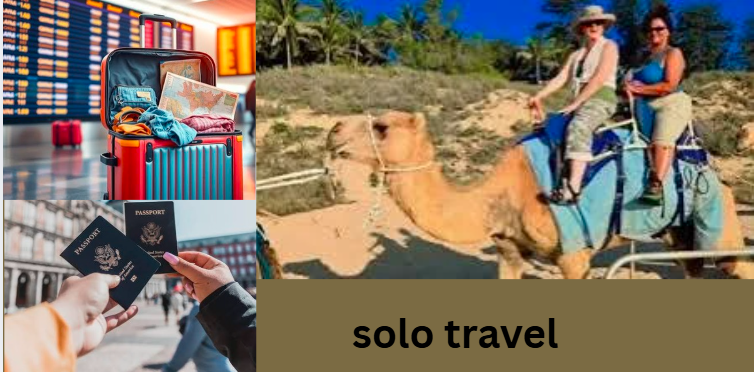
This is where solo group travel comes in. You travel on your own, but you join other people for part or all of the journey. Some travelers book organized tours, while others join small groups, walking tours, hiking trips, or activities arranged through travel communities.
The best part is that you do not need to wait for friends or family to become available. You can plan a trip around your own interests and meet people along the way.
What Is Solo Group Travel?
Solo group travel means taking a trip as an individual while traveling with a group of other people. You may not know anyone when the journey begins, but you share certain activities, destinations, or travel arrangements with the group.
For example, imagine visiting Italy on your own. Instead of exploring every place alone, you book a three-day group tour that includes local sightseeing, transport between towns, and a guided food experience. You still make your own travel decisions outside the tour, but you have company during planned activities.
This style of travel suits people who want independence without spending their entire holiday alone.
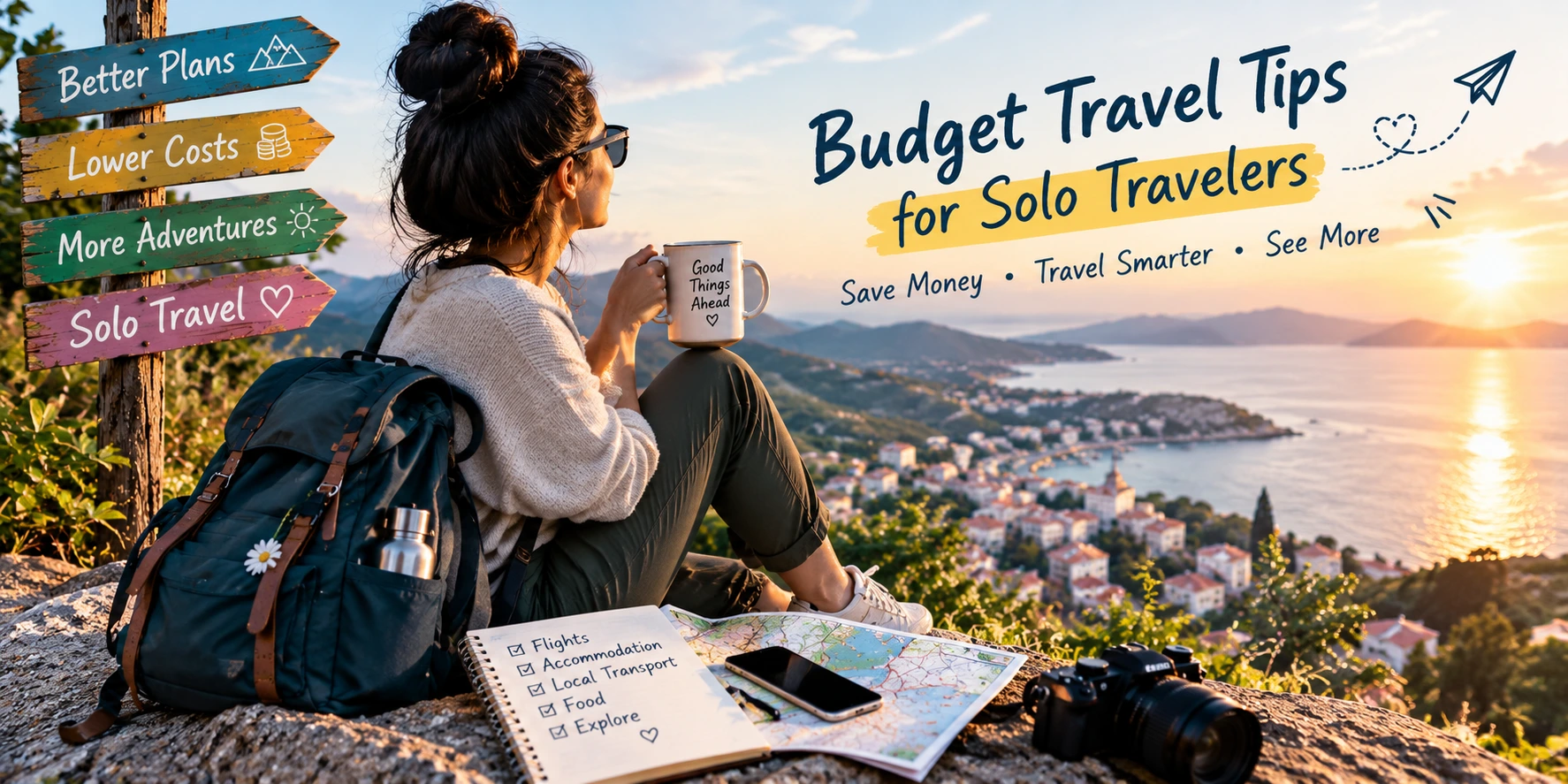
Group trips can last a few hours, a weekend, or several weeks. Some focus on adventure, such as hiking and kayaking, while others are built around food, culture, photography, or sightseeing. paking list for solo trip.
screenshot:
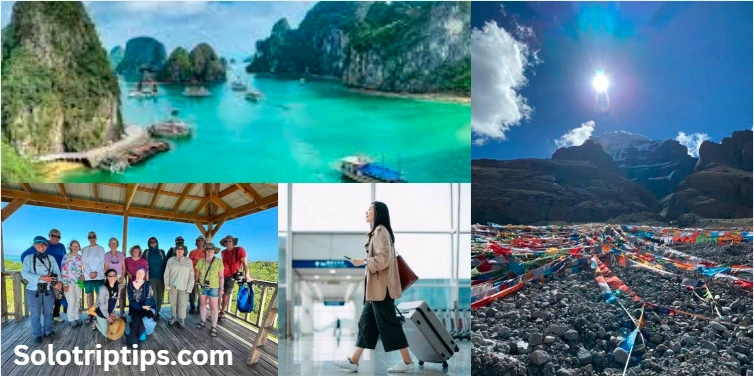
Why More Solo Travelers Are Joining Groups
Traveling alone does not always mean wanting to be alone. Sometimes, people simply prefer not to depend on someone else’s schedule.
A group trip can offer a useful balance between personal freedom and shared experiences.
You Can Meet People Without Forcing Friendships
Meeting new people while traveling can happen naturally. You might start talking to someone during breakfast, share a taxi to a sightseeing spot, or discover that another traveler enjoys the same activities.
There is no need to become close friends with everyone. Even a friendly conversation can make an unfamiliar destination feel more welcoming.
Some people stay in touch after the trip, while others enjoy the experience and move on. Both are perfectly normal.
Planning Becomes Less Complicated
Organizing a trip involves more than choosing a destination. You may need to compare transport options, research local attractions, book accommodation, and understand how to get around.
A reliable group tour can handle some of these arrangements. This is particularly helpful in places where public transport is confusing or where activities require an experienced guide.
However, always check what the tour price includes. Flights, meals, entrance tickets, tips, and optional activities may cost extra.
You Have Company During Activities
Certain experiences are more enjoyable when shared. A mountain hike, a cooking class, or a guided walking tour can give everyone something to talk about.
Group travel can also feel reassuring when visiting unfamiliar places. A guide may explain local customs, transport arrangements, and common safety concerns.
Still, joining a group does not remove every travel risk. You should continue to look after your belongings and make sensible decisions.
Choosing the Right Group Trip for Your Personality
Not every group tour creates the same experience. Choosing the right type can make the difference between an enjoyable holiday and a trip that feels exhausting.
Small Groups for a More Personal Experience
Small-group tours can make it easier to speak with other travelers and ask questions. They may also allow more flexibility than large coach tours.
These trips can work well for travelers who enjoy conversations but do not want to spend every day surrounded by dozens of people.
Check the maximum group size before booking. The term “small group” can mean different things to different tour operators.
Adventure Groups for Active Travelers
Hiking, cycling, kayaking, camping, and other outdoor trips bring people together through shared activities.
You do not necessarily need to be highly experienced, but you should check the fitness level and equipment requirements. A beginner-friendly walk is very different from a demanding mountain trek.
For outdoor activities, ask about the guide’s qualifications, emergency arrangements, and whether equipment is provided.
Cultural Tours for Curious Travelers
Cultural group trips often include historical sites, museums, traditional markets, local food, or community-led experiences.
They can be a good choice for travelers who prefer learning about a destination rather than rushing between popular attractions.
Look for tours that respect local customs and work with knowledgeable local guides. Responsible tourism should benefit the destination as well as the visitor.
Weekend Trips for First-Time Solo Travelers
A short group trip is a practical way to test whether this style of travel suits you.
You could join a two-day countryside tour, a city walking weekend, or a guided national park visit. A shorter journey gives you the chance to meet new people without committing to a long holiday.
It also helps you understand what you enjoy most: a busy schedule, free time, outdoor activities, or a mixture of everything.
How to Find Solo Group Travel Opportunities
Finding a suitable group is easier when you know where to look. The important thing is to choose a legitimate organizer and check the details before paying.
Search for Tours That Match Your Interests
Start with the destination and activity you actually want. Search for small-group tours, guided day trips, solo traveler departures, or group adventures in that location.
Read the itinerary carefully. Some tours are designed mainly for sightseeing, while others include long journeys, early starts, or physically demanding activities.
Reviews can help you understand the experience, but read several rather than relying on one very positive or negative comment.
Explore Travel Communities
Travel forums and solo travel groups can help you discover destinations, share practical advice, and find people with similar interests.
You may also find group trips through established travel communities or local activity platforms.
Be careful when arranging to meet strangers independently. Verify profiles where possible, meet in public places, and avoid sharing sensitive personal information with people you have only just met online.
Consider Guided Day Tours
You do not need to book an entire group holiday to enjoy group travel.
A guided food tour, museum visit, walking tour, or local excursion can be enough. You can spend the rest of your day exploring at your own pace.
This is especially useful for travelers who prefer flexibility or have a limited budget.
How Much Does Solo Group Travel Cost?
The cost depends on the destination, length of the trip, accommodation type, and services included.
A local walking tour may cost relatively little, while a multi-day international adventure can require a much larger budget. Some organized trips charge a single supplement when a traveler wants a private room instead of sharing accommodation.
Before booking, compare the total cost rather than looking only at the advertised price.
Check these expenses:
- Transport to the destination and between activities.
- Accommodation and whether a private room costs extra.
- Meals, drinks, and optional excursions.
- Entrance fees, equipment rentals, and guide tips.
- Travel insurance and any required visas.
- Cancellation charges and payment conditions.
Sharing a room may reduce the cost, but only choose this option when you feel comfortable with the arrangement. Ask the organizer how roommates are assigned and whether private accommodation is available.
It is also wise to keep some emergency money separate from your main travel budget.
Staying Safe on a Solo Group Trip
Traveling with other people can provide support, but personal safety still matters. A group itinerary should never replace your own judgment.
Research the Organizer Before Paying
Check the company’s official website, contact details, cancellation policy, and recent independent reviews. Look for clear information about accommodation, transport, guides, and emergency support.
Be cautious of organizers who pressure you to pay immediately or refuse to provide basic booking details.
Use a payment method that offers suitable protection where available, and keep a copy of your booking confirmation.
Keep Your Own Travel Information
Save your accommodation address, important contact numbers, transport details, and travel documents securely. Share your itinerary with a trusted person at home.
Keep access to your passport and money under your control. If the group leader holds tickets or documents temporarily, understand why and when they will be returned.
Set Boundaries With Other Travelers
You are not required to join every activity, share personal information, lend money, or accept an invitation that makes you uncomfortable.
A polite “No, thank you” is enough. Leave a situation that feels unsafe and contact the tour organizer or local emergency services when necessary.
For women traveling alone, it may also help to check accommodation arrangements, room-sharing policies, transport after evening activities, and the group’s approach to personal safety before booking.
What to Pack for a Group Adventure
Packing depends on the destination, weather, and planned activities. However, a few items are useful for most group trips.
Bring comfortable walking shoes, weather-appropriate clothing, a reusable water bottle, essential medication, a power bank, and a small day bag. Keep copies of important documents in a secure place.
For international travel, check passport validity, visa requirements, travel insurance, and any health or entry requirements before departure.
Avoid bringing too much luggage. Moving between hotels, buses, and train stations becomes more tiring when you have bags you cannot manage comfortably by yourself.
If the tour includes hiking or other specialist activities, follow the organizer’s equipment list rather than assuming ordinary clothing will be suitable.
How to Make Friends Without Feeling Awkward
One concern many solo travelers have is arriving at a group trip where everyone else already seems to know each other.
The first few minutes may feel uncomfortable, but you do not need an impressive introduction to start a conversation.
Ask someone what brought them to the destination, whether they have visited before, or which activity they are looking forward to. Simple questions are usually enough to get a conversation going.
Joining shared meals and group activities can also help. If someone recommends a café or attraction, ask about their experience. People often enjoy talking about places they have discovered.
At the same time, allow yourself some quiet time. You do not need to be social from morning until night. The aim is to enjoy the trip, not to prove that you can make friends quickly.
Common Mistakes to Avoid When Booking a Group Trip
A little preparation can prevent disappointment later.
Choosing a trip only because it is cheap: A low price may exclude important services or involve inconvenient accommodation. Compare the itinerary and total expenses.
Ignoring the daily schedule: Some tours move between destinations almost every day. Others spend long hours on transport. Make sure the pace suits you.
Expecting everyone to become friends: Group members have different personalities, interests, and expectations. Enjoy the company without expecting instant friendships.
Assuming every activity is included: Read the booking conditions and check which meals, tickets, transfers, and excursions require extra payment.
Giving up all personal freedom: A group trip should not mean following others into activities you dislike. Choose a tour that leaves enough free time for independent exploration.
Booking without checking cancellation rules: Plans can change because of illness, transport disruption, or personal circumstances. Understand the cancellation policy before making a payment.
Is Solo Group Travel Better Than Traveling Completely Alone?
Neither option is best for everyone. The right choice depends on your confidence, interests, budget, and preferred travel pace.
Traveling completely alone gives you maximum control. You can change plans whenever you like, spend longer at a museum, or leave a destination early.
Group travel provides shared activities, organized arrangements, and opportunities to meet people. However, you may need to follow a schedule and compromise on some decisions.
There is also a middle option: independent travel with a few group activities included. You could book your own accommodation, explore the city independently, and join a guided tour for one or two days.
This approach works well for people who want both freedom and company.
Final Thoughts: You Don’t Have to Wait for Someone to Travel
Solo group travel offers a practical way to explore unfamiliar places without depending on friends or family to join you. You can meet other travelers, learn from local guides, take part in shared activities, and still make space for your own interests.
Start with a trip that matches your budget and comfort level. Read the itinerary, check the organizer, understand the extra costs, and make sure the activities suit your abilities.
A short walking tour or weekend adventure may be all you need to discover whether group travel is right for you. You might meet people who become long-term friends, or simply return home with good memories and a little more confidence.
Either way, the most important part is choosing a journey that feels right for you. Traveling alone does not mean doing everything alone, and joining a group does not mean giving up your independence.